 Projects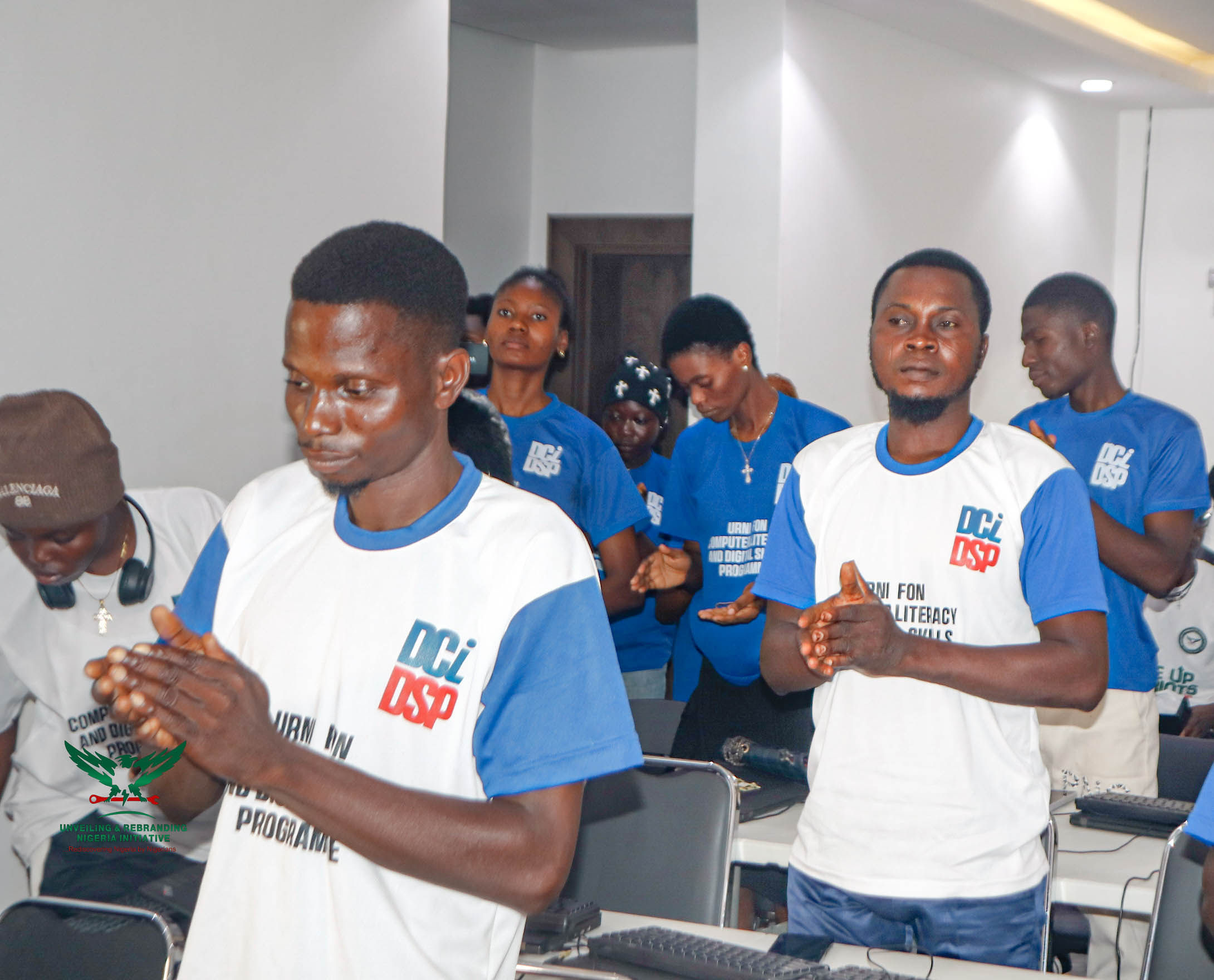
URNI Diaspora-Supported Computer Literacy and Digital Skills Project
The URNI Diaspora-Supported Computer Literacy and Digital Skills Project is an empowerment initiative designed to bridge the digital divide by equipping young Nigerians from underserved communities with essential computer literacy and digital skills.
Through strategic partnerships and community engagement, the initiative aims to prepare participants for the digital economy, enabling them to compete globally while contributing meaningfully to Nigeria's development. This project is being executed in partnership with Friends of Nigeria in Europe (FON).
The Challenge
As the world becomes increasingly digital, millions of young Nigerians from underserved communities remain excluded from opportunities due to limited access to digital education and technology skills. Many students graduate without practical computer knowledge, while others lack exposure to emerging digital tools required in today's workplace.
This digital skills gap contributes to unemployment, underemployment, and reduced competitiveness in a rapidly evolving global economy. For many young people in underserved communities, the absence of access to technology and digital training creates barriers to personal growth, entrepreneurship, and economic advancement.
The Solution
The URNI Diaspora-Supported Computer Literacy and Digital Skills Project was established to address this challenge through structured digital education and capacity-building programs.
The initiative provides participants with foundational computer literacy training and practical digital skills that improve employability, entrepreneurship, and innovation.
Training areas include:
- Basic Computer Operations
- Microsoft Office Applications
- Internet and Digital Communication
- Graphic Design
- Software Development
- Data Analytics Fundamentals
The project combines classroom learning, practical exercises, mentorship, and career guidance to ensure participants acquire relevant skills.
The Impact
1. Enhanced Digital Literacy: Participants who previously had little or no exposure to technology acquired essential computer literacy skills, enabling them to confidently use digital tools for learning, communication, and professional development.
2. Increased Employability: Through specialized training in Data Analysis, Graphic Design, and Software Development, beneficiaries gained practical, industry-relevant skills that improve their competitiveness in today's job market and prepare them for employment opportunities across various sectors.
3. Reduction in Digital Skills Gap: The project helped bridge the digital divide by providing underserved youths with access to quality digital education and training, ensuring they are not left behind in an increasingly technology-driven world.
4. Empowerment for Entrepreneurship and Freelancing: Participants acquired skills that can be monetized through freelance work, digital services, and entrepreneurial ventures, creating pathways to sustainable income generation and economic independence.
5. Improved Confidence and Professional Readiness: Beyond technical knowledge, the training strengthened participants' confidence, problem-solving abilities, communication skills, and readiness to pursue academic, professional, and business opportunities.
6. Contribution to Youth Development and Employment Creation: By transforming unskilled youths into digitally competent individuals, the project contributes to reducing youth unemployment and increasing the pool of skilled professionals available to support Nigeria's growing digital economy.
8. Sustainable Future Opportunities: The skills acquired through the program provide long-term value, empowering participants to continuously learn, and thrive in the evolving digital landscape.